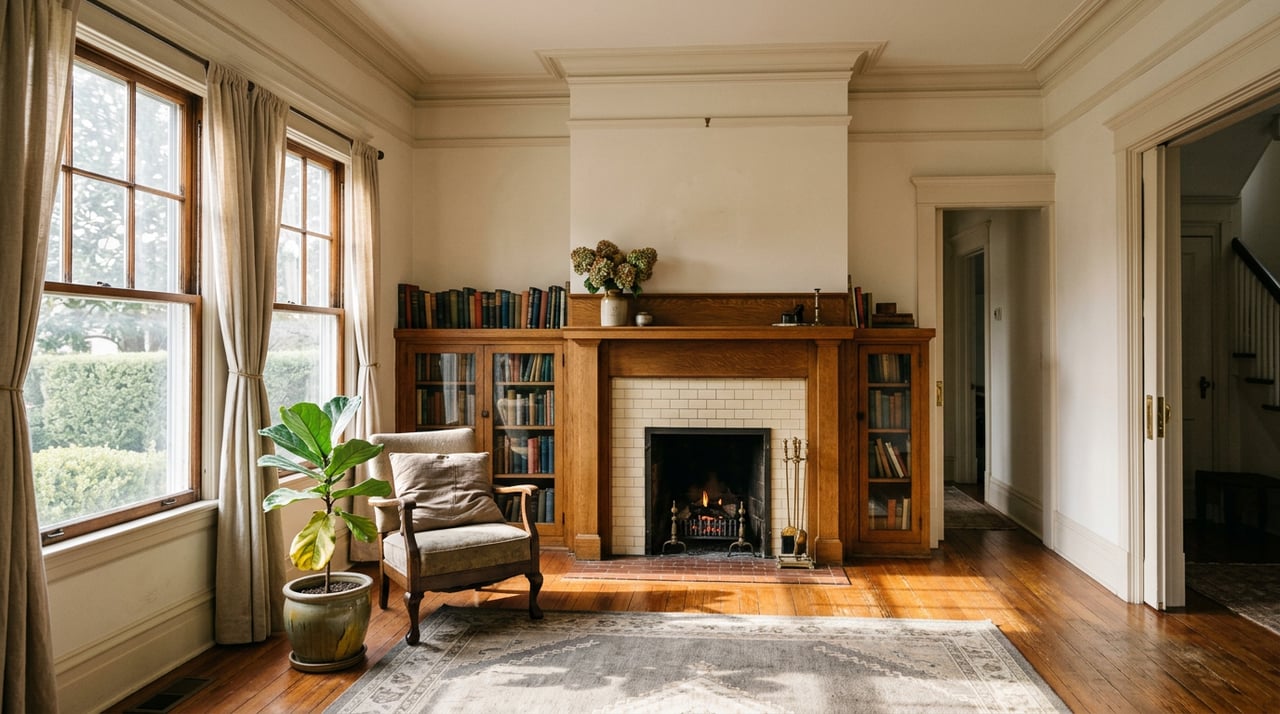
In Greensboro's Historic Districts, the Clock Matters More Than the Color
September 24, 2026
September 24, 2026
Ask someone eyeing a fixer-upper in College Hill, Dunleath, or Fisher Park what worries them about Greensboro's historic district rules, and paint color usually comes up first. They picture a review board arguing over whether the trim should be sage or slate. That worry is misplaced. Changing your exterior paint color does not require a Certificate of Appropriateness in any of Greensboro's three locally designated historic districts. Minor repairs that keep the original materials in place do not either.
The friction that actually slows down a renovation in these neighborhoods has nothing to do with color and everything to do with timing, materials, and a tax credit clock that most buyers do not know exists until they are already three months into a project.
Every property in College Hill, Dunleath, and Fisher Park sits inside a city-zoned historic overlay, and most exterior changes require a Certificate of Appropriateness, known as a COA, from Greensboro's Historic Preservation Commission before work starts. There is currently no fee to apply.
What does not need one:
What does need one, and can often be approved quickly at the staff level:
What needs a full Commission hearing, not just a staff sign-off:
The detail that catches people off guard is scope: when exterior work requires a COA, the requirement applies anywhere on the property, not just the parts a passerby can see from the sidewalk. A back-of-house addition that nobody driving by would notice still goes through the same process as work on the front porch. Even the utility companies play by this rule. Duke Energy and the City of Greensboro itself need a COA for projects like new sidewalks, streetlights, or trimming trees near power lines inside district boundaries.
Skip the COA and start work anyway, and the city's zoning enforcement officers can issue a Notice of Violation. You get a chance to correct it by applying after the fact. If you do not, civil penalties follow. For anyone buying a property where a previous owner left renovation work half-finished, that is a real closing-week question worth asking before you assume you can pick up where they left off.
Greensboro's Historic Preservation Commission adopted an updated Historic District Program Manual and Design Standards at its September 24, 2025 meeting, the first substantive rewrite since 2003. That is a 22-year gap, which tells you something about how rarely these rules move.
The update was not a tightening. City staff describe the goal as clarity: cutting down on language that required heavy interpretation, building a document meant to be used online with an index and linked resources, and aligning the standards with current thinking on energy efficiency and sustainability. Tree canopy protection got more specific attention, with updated guidance on which trees trigger a COA for removal.
One shift worth knowing if you are buying a property with a non-original addition: newer sections of a historic-district home, think a 1960s or 70s addition tacked onto a 1915 Craftsman, now get somewhat more flexibility under the updated standards. The commission recognizes that a midcentury add-on plays a different role in the streetscape than the original structure, so it is not held to the identical bar. If your target property has one of these later additions, that is a conversation worth having with planning staff before you assume the whole house is frozen to a single era.
Here is the part that changes how you should plan a purchase, not just how you should plan a paint job.
North Carolina's state historic rehabilitation tax credit for owner-occupied homes gives you a 15 percent credit on qualified rehab work, but only if the rehabilitation exceeds $10,000 within a 24-month period. Eligible expenses cap at $150,000, which caps the credit itself at $22,500. You can use this credit once every five years.
That 24-month window is the mechanism most first-time historic-district buyers never think about. The natural instinct with an old house is to spread the work out: fix the kitchen this year, save up, redo the bathroom next year, deal with the windows the year after that. Done that way, none of it may ever add up to a single qualifying 24-month rehabilitation, and you leave the credit on the table entirely. Bundle the same dollar amount of work into one continuous 24-month push instead, and you are eligible for a credit worth thousands.
The credit also has limits on which costs qualify, which is one more reason to loop in Greensboro's Historic Preservation Commission staff early rather than after you have already ordered materials.
If the standards call for matching an original siding profile or a period-appropriate window, Preservation Greensboro's Architectural Salvage program, run out of the same nonprofit that operates the Blandwood Mansion museum on the edge of College Hill, is a real local source for exactly that kind of material.
If you are looking at one of these properties as an income property rather than a primary residence, the math and the rules both shift.
| Owner-occupied rehab | Income-producing rehab | |
|---|---|---|
| Federal credit | According to North Carolina HPO, 20% | |
| State credit | 15% | 15% to 25%, with possible bonus credits |
| Minimum spend | Exceeds $10,000 within 24 months | North Carolina HPO: exceeds the greater of the building's adjusted basis or $5,000 within 24 months (60 months if phased) |
| Credit cap | $150,000 in eligible expenses, $22,500 max credit | |
| How often | Once every five years |
Income-producing rehabs can stack a 20 percent federal credit with a state credit, and the North Carolina Department of Natural and Cultural Resources says the credits themselves can be transferred along with the property, as long as the transfer happens before the building is placed back in service. That last detail matters if you are buying a property mid-renovation from another investor. The seller's unclaimed credit potential does not automatically evaporate at closing.
One more thing worth confirming before you pencil out a multi-unit conversion: College Hill's historic district designation functions as a zoning overlay, and part of what that overlay does is prohibit dividing a single-family home into apartments. If your investment plan involves converting a grand old house into multiple rental units, verify what the overlay in that specific district allows before you get attached to the numbers.
The North Carolina State Historic Preservation Office says both tax credit programs require the property to be listed on the National Register of Historic Places, either individually or as a contributing building in a National Register district. Local historic district status and National Register status are related but not identical, so before assuming a property qualifies, it is worth checking its actual listing status through the state's HPOWeb mapping tool rather than assuming the address on College Hill Street automatically comes with it.
Does the Certificate of Appropriateness application cost anything? No, there is currently no fee to apply.
What happens if I start work before getting a COA? The city's zoning enforcement officers can issue a Notice of Violation, and you will need to apply retroactively to correct it. Civil penalties follow if the violation is not resolved.
Can interior renovations trigger the COA process? Generally no, since a COA only covers exterior work. The exception is when interior work forces an exterior change, like enlarging a window opening for a kitchen remodel or adding a vent that alters the roofline.
Where do I check if a specific address is eligible for the tax credit? Confirm the property's National Register status through the state's HPOWeb tool before you build it into your renovation budget.
Buying an old house in one of these three neighborhoods is still one of the more interesting ways to put equity into a Piedmont Triad property, and the design review process is more collaborative than adversarial once you understand where the real decision points sit. Knowing the difference between a staff-level approval and a full Commission hearing, and knowing that the tax credit rewards a concentrated 24-month renovation over a slow multi-year one, changes how you should plan the purchase itself, not just the punch list after closing.
If you are weighing a historic-district property in Greensboro and want a second set of eyes on what a renovation would actually take, and what it might actually be worth, Melody Davis has spent nearly three decades on the acquiring, renovating, and reselling side of exactly this kind of project. Let's Connect.
This article is general information, not legal, tax or financial advice. Consult a qualified professional about your situation.
Stay up to date on the latest real estate trends.
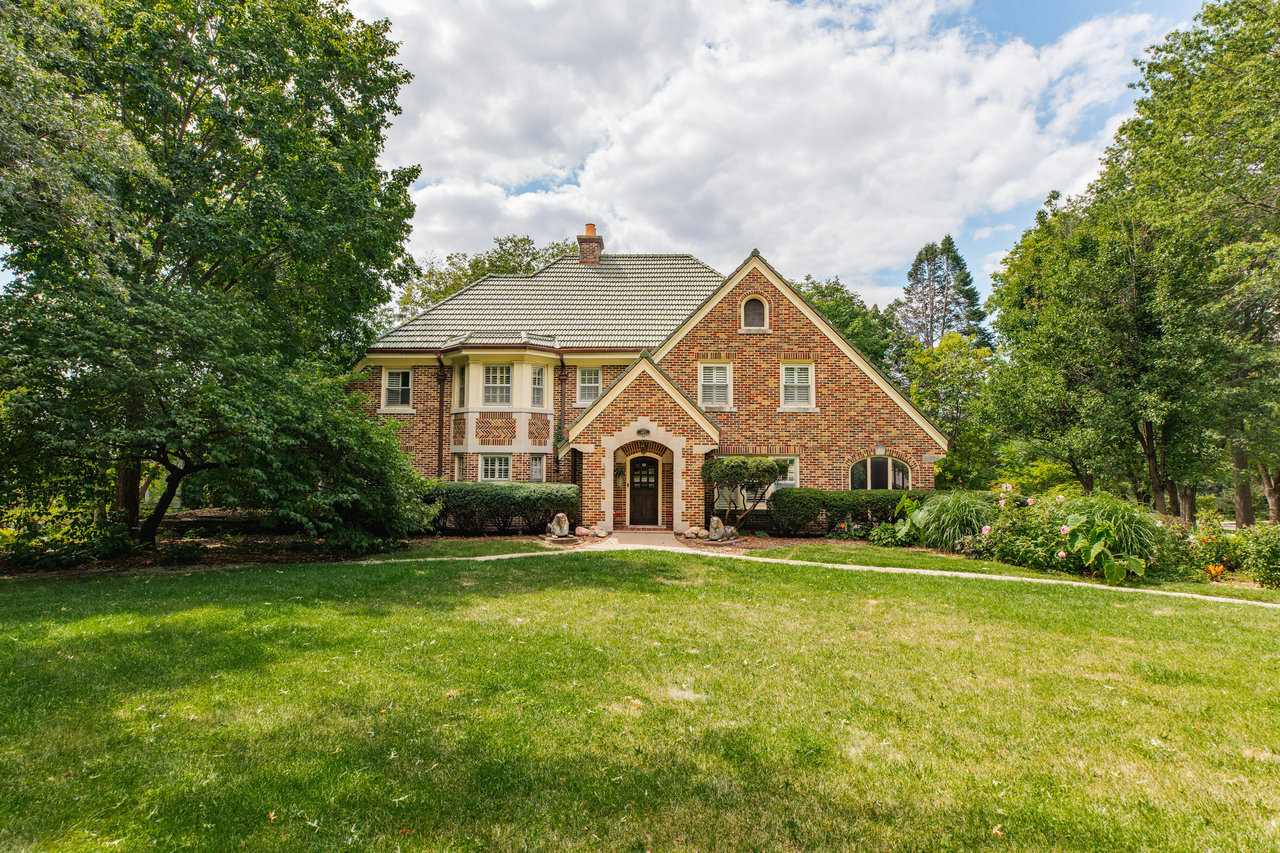
Oak Ridge NC real estate
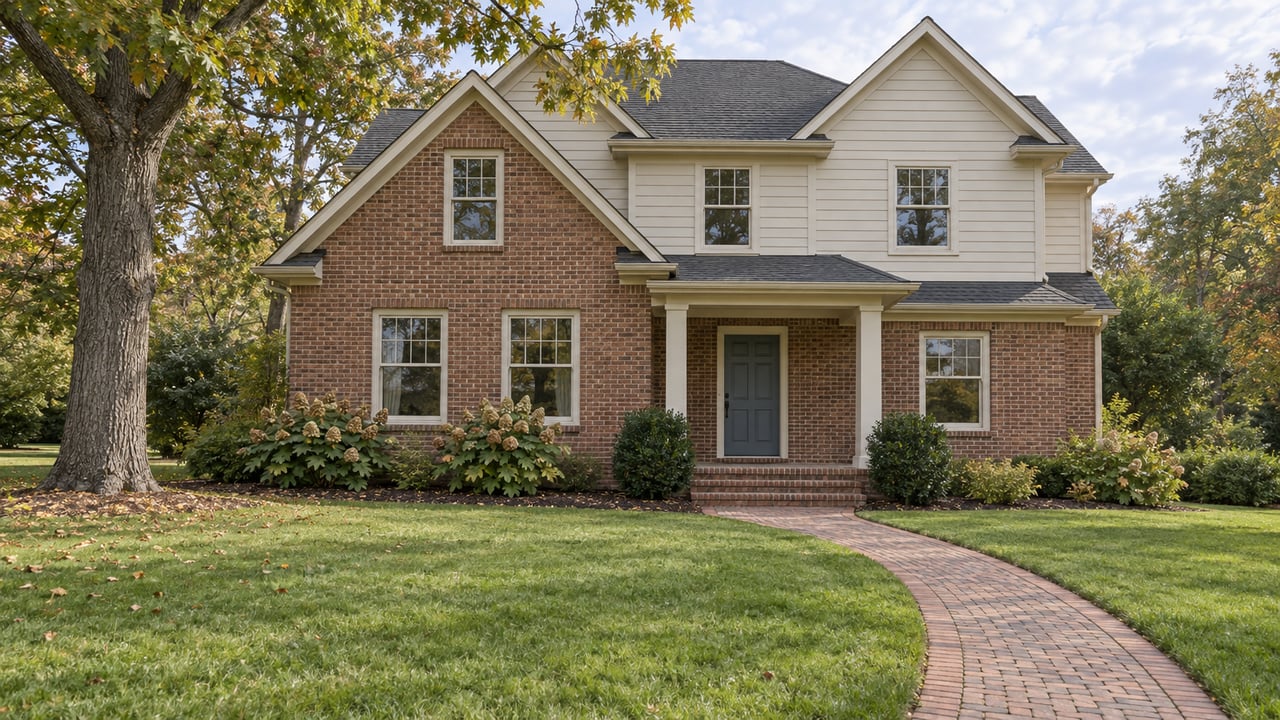
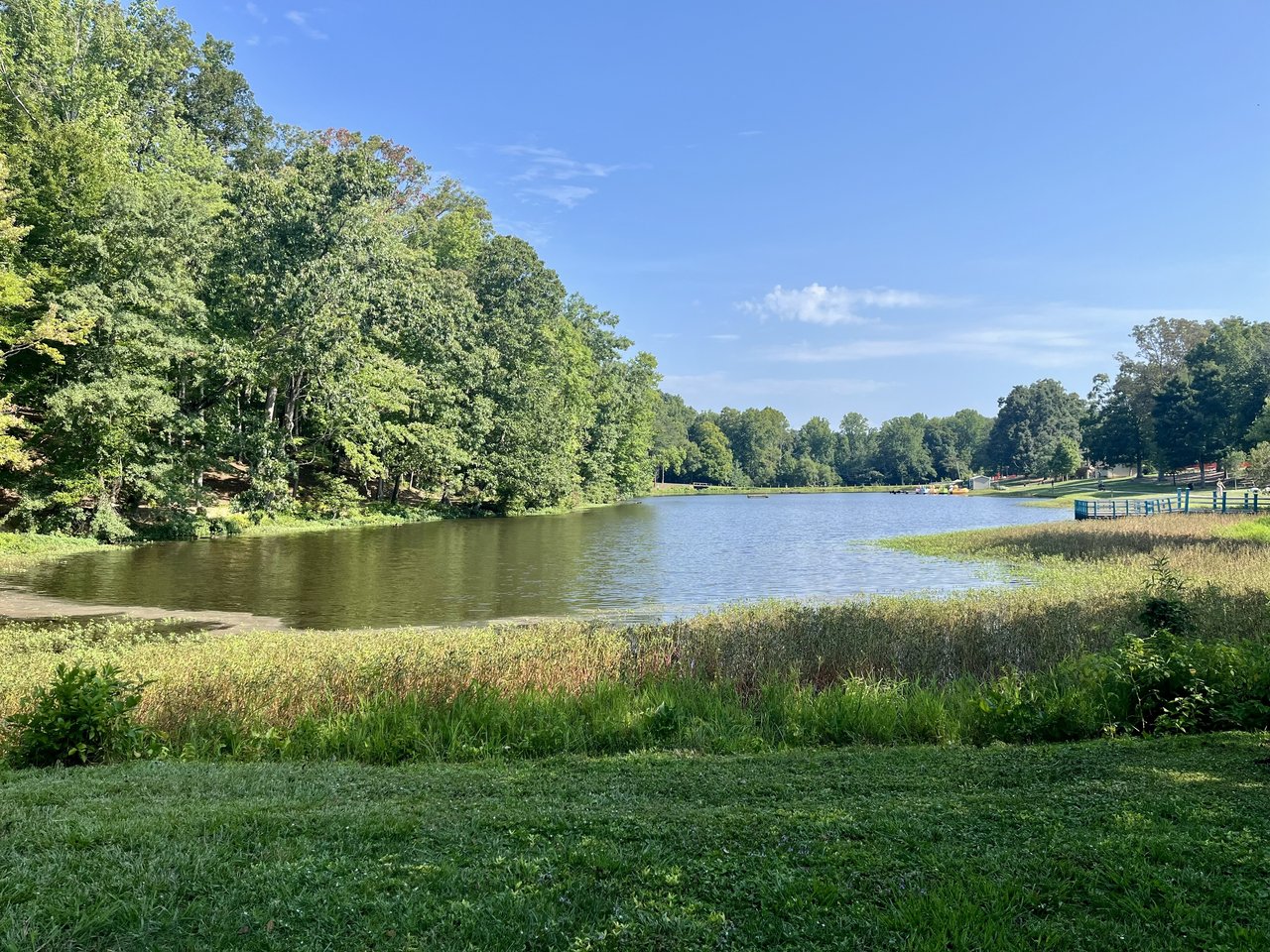
Things to do in Greensboro NC
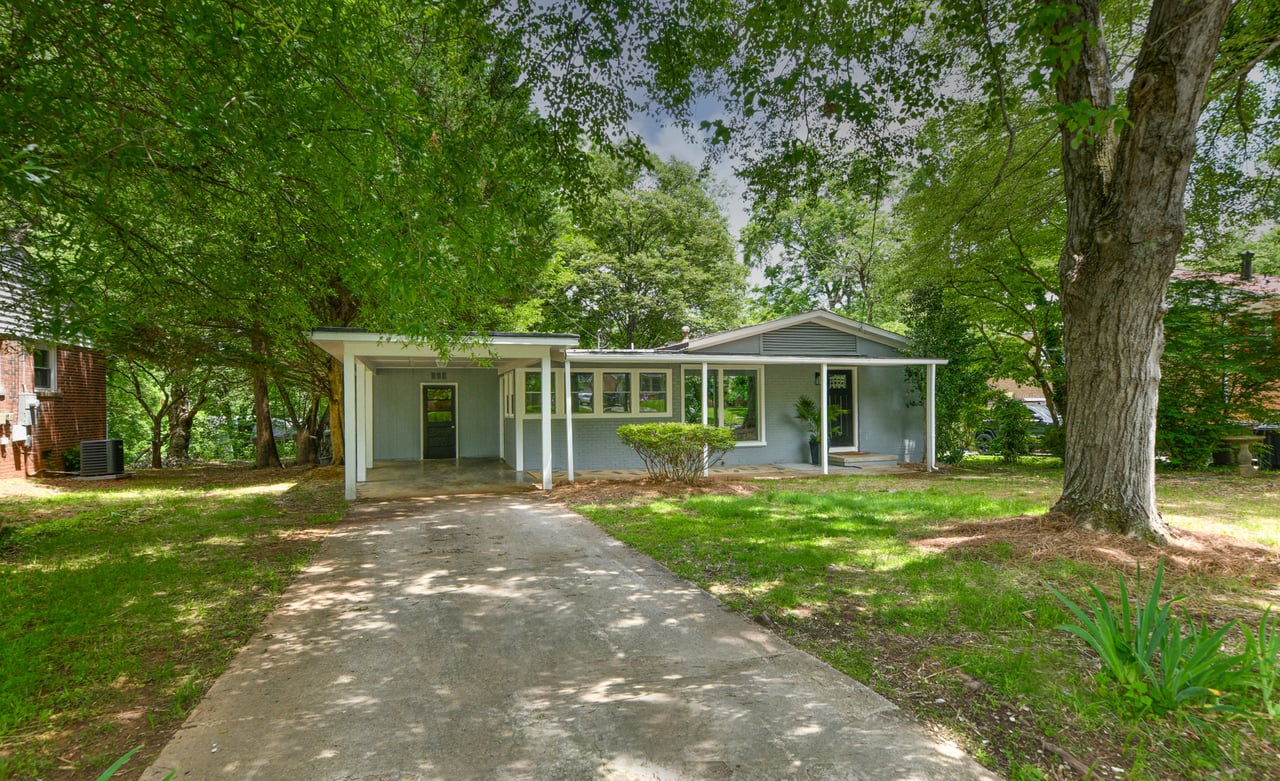
moving to Greensboro NC, Greensboro NC pros and cons, Greensboro property taxes, Greensboro home prices 2026
Whether you're buying your first home or making your next move, Melody provides trusted guidance, personalized service, and a passion for helping families achieve their homeownership goals.
MELODY B. DAVIS, MBA
700 Battleground Ave Greensboro, NC 27401