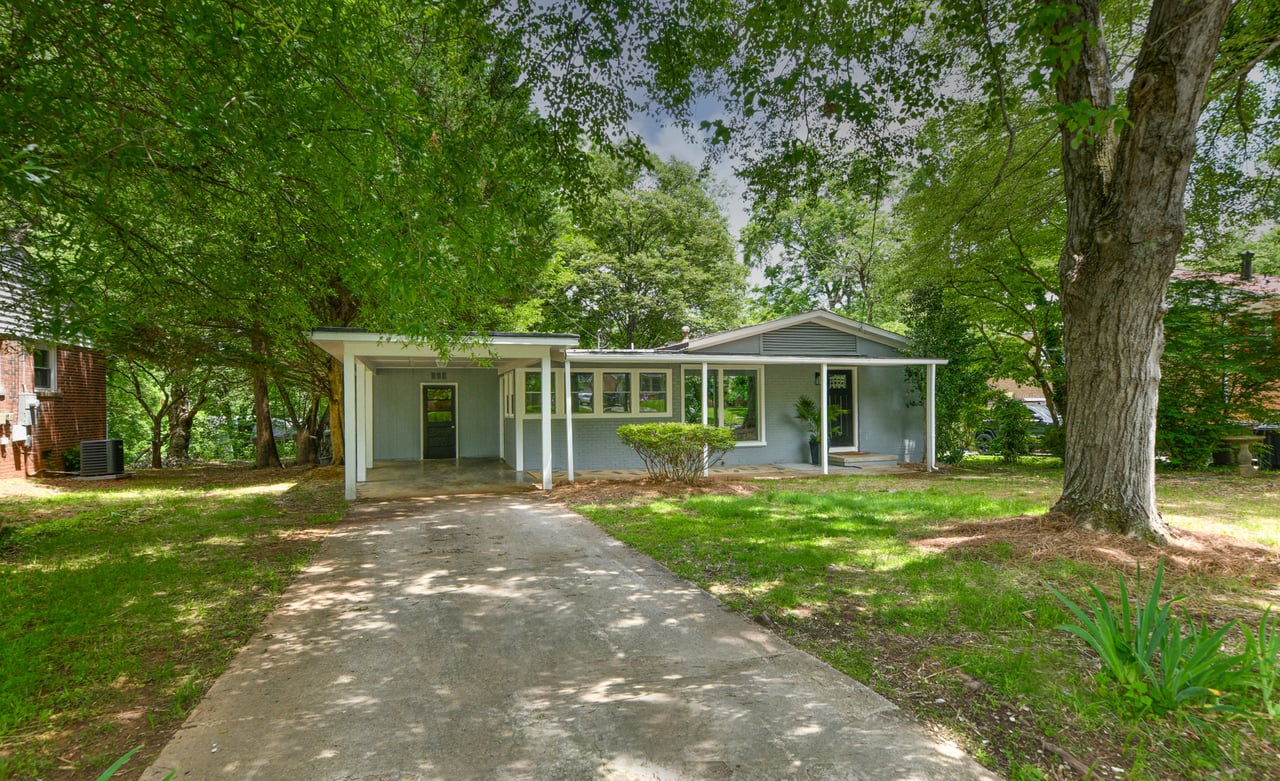
Things NOBODY Tells You About Living in Greensboro
Melody B. Davis October 13, 2026
Melody B. Davis October 13, 2026
Greensboro is one of the most affordable big cities in North Carolina, but the things that matter most day to day rarely make the "best places to live" lists. Property taxes are about to change in a big way, the region's biggest new employers aren't downtown, and the city has rhythms (pollen season, Furniture Market week, A&T homecoming) that newcomers learn the hard way.
If you're thinking about buying a home in Greensboro, or selling one to someone moving here, these are the things locals know that nobody puts in the brochure.
Quick facts about living in Greensboro, NC (as of October 2026):
This is the big one right now. Guilford County reappraised every property for 2026, and early estimates put the average value increase at 40 to 45 percent. Then, in June 2026, the state passed a one-year moratorium (Senate Bill 889). The county's 2026 bills use 2025 values instead.
Those new, higher values haven't gone away. They apply to the 2027 tax bill. If you're buying this fall, don't budget off the seller's current bill. Look up the 2026 reappraisal value for the home and ask your lender to estimate taxes on that number. Owners can appeal their value until May 17, 2027.
Every April and October, the High Point Market brings tens of thousands of buyers and designers to the area. Hotels fill up, restaurants get packed, and traffic on I-85 Business and Wendover Avenue slows down.
The upside: some Greensboro homeowners rent their homes to Market visitors for a week and earn real money. If you're buying, check your HOA rules before counting on that income.
For a few weeks each spring, usually late March into April, pine pollen coats cars, porches and patio furniture in a fine yellow film. It's a Piedmont rite of passage. Allergy sufferers should plan ahead, and anyone selling in spring should budget for a porch and window wash before listing photos.
Greensboro has roughly 300,000 people, yet it rarely feels crowded. Commutes across town are often 15 to 20 minutes, and you'll run into people you know at the Greensboro Farmers Curb Market or a Grasshoppers game. Newcomers from Charlotte or Raleigh are usually surprised by how easy it is to get around.
Toyota opened its battery plant in Liberty in late 2025. It's a roughly $13.9 billion facility that's expected to create up to 5,100 jobs. Boom Supersonic built its aircraft factory at Piedmont Triad International Airport (PTI).
That matters for home values. Southeast Greensboro and the Pleasant Garden area are a straight shot to Liberty. Northwest Greensboro, Oak Ridge and Summerfield sit close to PTI. Demand tends to follow the commute.
Two homes a mile apart can have very different costs. Inside city limits you pay both city and county property taxes, but you get city water, sewer and trash pickup. Just outside, you skip the city tax but may have a well, a septic system and a private trash service.
Guilford County Schools serves the whole county as one district, so moving just outside the city won't put you in a different school system. Your assigned school is set by attendance zone, so always check the specific address.
Greensboro's drinking water comes from reservoirs like Lake Brandt, Lake Higgins and Lake Townsend. The protected land around them is laced with miles of hiking and biking trails. Add the Downtown Greenway, Bicentennial Greenway and parks like Country Park, and outdoor access is a real perk for the price.
Greensboro doesn't get much snow. It gets freezing rain. A quarter inch of ice can take down tree limbs and power lines, so mature trees near the house are worth a closer look during inspection. Summers are hot and humid, so a home's HVAC age is one of the first things smart buyers ask about.
NC A&T State University is the largest HBCU in the country, and its homecoming is known as "the Greatest Homecoming on Earth." It brings huge crowds, tailgates and traffic around east Greensboro each fall. It's also a reminder of the city's deep history. The 1960 Woolworth's sit-ins started here, and the International Civil Rights Center & Museum now stands on that spot downtown.
For buyers: This is a good moment to buy, as long as you plan carefully. About 55 percent of recent Greensboro sales closed under list price, and many sellers have cut prices. That gives you room to negotiate on price, closing costs or repairs. Just build the 2027 tax increase into your monthly budget now so it isn't a surprise later.
For sellers: Pricing right from day one matters more than it did a few years ago. Homes that are priced well still go under contract in about three weeks, while overpriced homes sit and take reductions. Be ready to answer questions about taxes, HVAC age and roof condition. If you're near PTI or the Liberty corridor, make sure your listing tells that commute story.
Is Greensboro, NC a good place to live? For many people, yes. It offers big-city amenities, a short commute and home prices well below Charlotte and Raleigh. The trade-offs are fewer major-company headquarters downtown and rising property taxes.
How much does a house cost in Greensboro in 2026? The typical home value is about $263,000, and the median sale price is about $275,000. Most homes sell between roughly $190,000 and $395,000.
Are Greensboro property taxes going up? Most likely. 2026 bills use 2025 values because of a state moratorium, but the 2026 reappraisal values apply to 2027 bills. The final change depends on the tax rate commissioners adopt next year.
What are the best areas near the new Toyota and Boom jobs? Southeast Greensboro and Pleasant Garden are convenient to Toyota in Liberty. Northwest Greensboro, Oak Ridge and Summerfield are close to Boom at PTI.
Is Greensboro a buyer's or seller's market right now? It's fairly balanced. Well-priced homes still sell quickly, but more than half of sales close below list price.
The best Greensboro moves start with local knowledge: the right neighborhood for your commute, a realistic tax budget and a pricing plan that fits today's market. Whether you're buying your first home, relocating for a job at Toyota or Boom, or getting ready to sell, I'm happy to walk you through it. I'm Melody B Davis, MBA, with Carolina Home Partners | eXp Realty, serving Greensboro, Summerfield and Oak Ridge. Call or text me at 336.337.7089 or email [email protected] for a no-pressure conversation, or ask for a free home value estimate that includes the 2026 reappraisal numbers.
Stay up to date on the latest real estate trends.
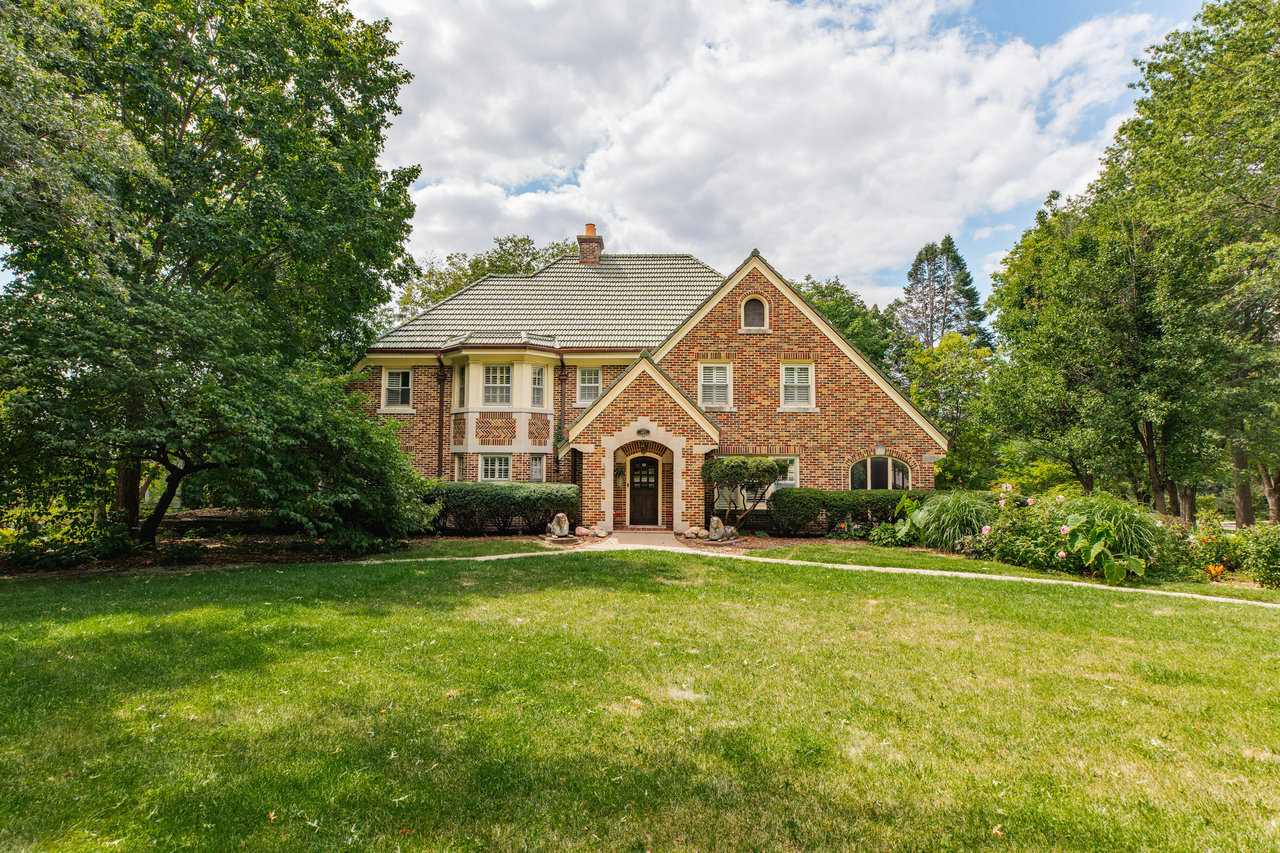
Oak Ridge NC real estate
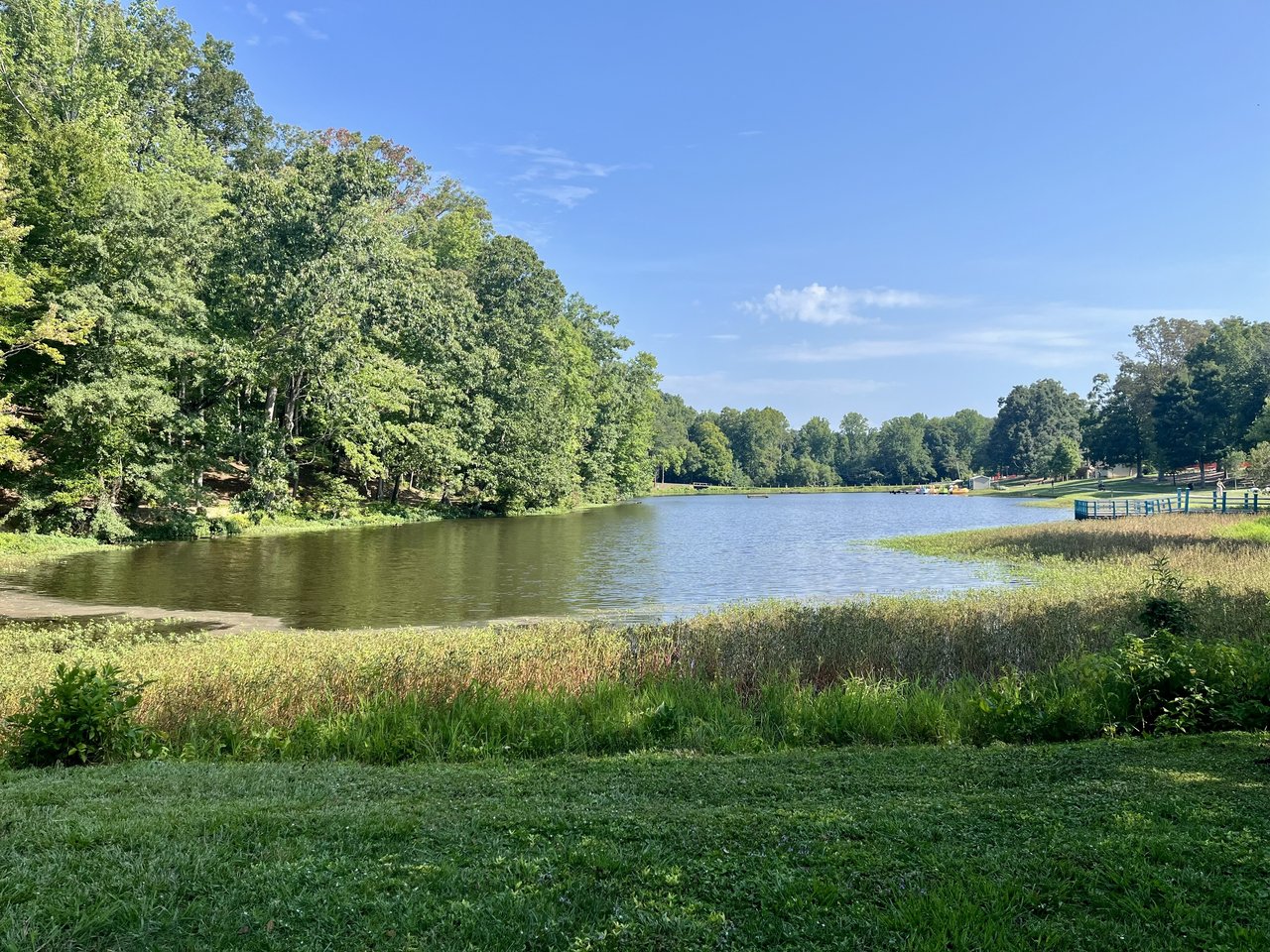
Things to do in Greensboro NC
moving to Greensboro NC, Greensboro NC pros and cons, Greensboro property taxes, Greensboro home prices 2026
Whether you're buying your first home or making your next move, Melody provides trusted guidance, personalized service, and a passion for helping families achieve their homeownership goals.
MELODY B. DAVIS, MBA
700 Battleground Ave Greensboro, NC 27401