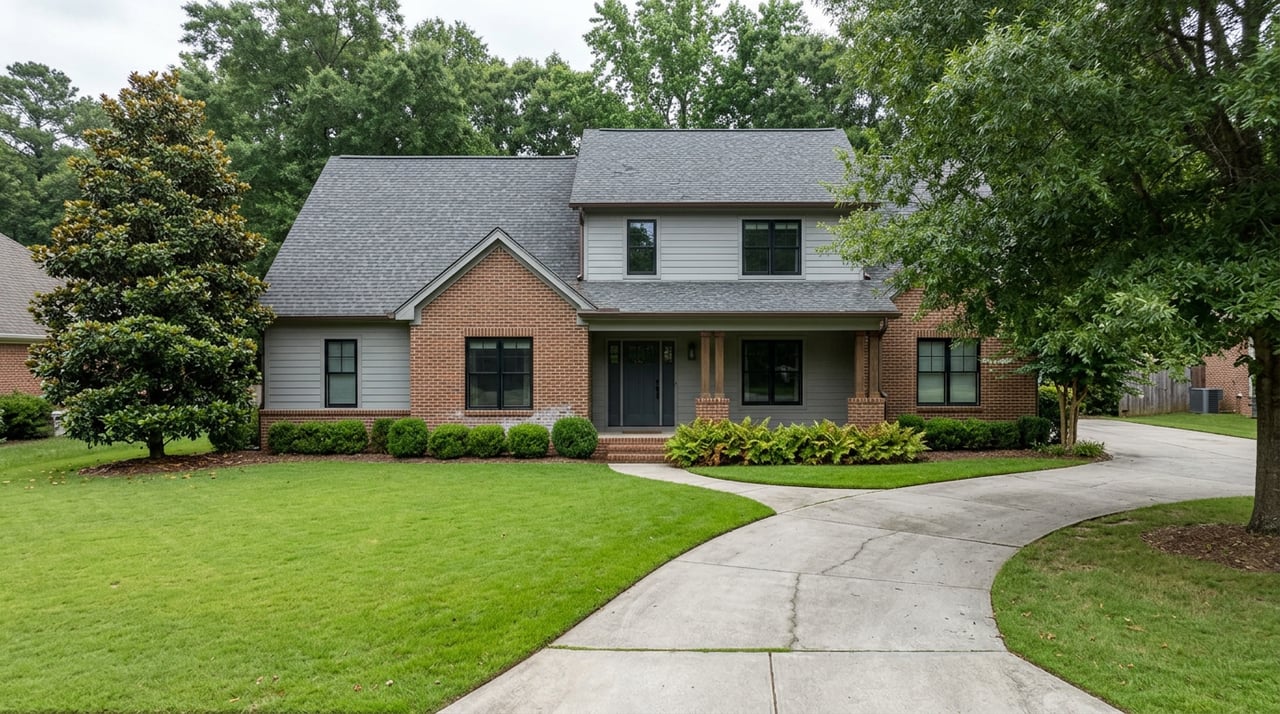
Oak Ridge vs Summerfield NC Real Estate: Why Water Matters
September 17, 2026
September 17, 2026
Type "Oak Ridge vs Summerfield" into a search bar and you will get roughly the same answer from every site that tries to help you choose. Similar prices. Similar acreage. Similar small-town feel. Pick whichever one feels right and move on.
That answer is not wrong. It is just incomplete in a way that will matter more in five years than it does today.
The two towns share a school corridor, a stretch of NC 150 and NC 68, and a real estate market so intertwined that the Greensboro Regional REALTORS Association reports them as a single combined area in its quarterly housing stats. What they do not share is what is happening underground and at the permit counter. Summerfield's zoning code is built entirely around private well and septic capacity, with no public water project in motion. Oak Ridge is in year four of building its first municipal water system, with a water main construction project listed on the town's own project timeline for 2026. If you are comparing these two towns on price alone, you are comparing the wrong thing.
Listings in both towns lean hard on acreage as a selling point. Privacy. Room for a barn. No HOA. What those listings rarely mention is that the lot size is not really a design decision. It is a function of what the soil under the lot can support.
Summerfield's Unified Development Ordinance sets minimum lot sizes district by district, and every one of them is tied to well and septic capacity rather than aesthetics:
| Zoning District | Minimum Lot Size | Typical Use |
|---|---|---|
| Agricultural (AG) | 3 acres (130,680 sq ft) | Working land, equestrian, large estates |
| Rural Residential (RR) | About 1.38 acres (60,000 sq ft) | Most large-lot subdivisions |
| Residential Single-Family (RS-40) | About 0.92 acres (40,000 sq ft) | Established single-family neighborhoods |
| Residential Single-Family (RS-30) | About 0.69 acres (30,000 sq ft) | Smaller-lot subdivisions where soil allows |
The ordinance itself is direct about why: lots in these districts "will typically be served by private well and individual septic tank systems," and the density limits exist because there is no other way to safely put water in and wastewater out. Guilford County's clay adds to those constraints.
The Piedmont sits on red clay that drains slowly. Septic and Well reports that most properties in Guilford County test into Soil Group III or IV, which rules out a simple gravity-fed septic system in favor of a low-pressure pipe system that pumps effluent across the drain field in controlled doses. That system needs more room, not less.
Aqua Drill's permit guide says North Carolina requires three separate approvals for any new septic system: an Improvement Permit confirming the soil can support a system, a Construction Authorization that locks in the design, and eventually an Operation Permit. Layer in the physical setbacks, wells have to sit at least 50 feet from a septic tank and 100 feet from a drain field, and you start to see why a 40,000 square foot lot in Summerfield can still feel tight once the house, driveway, well, and drain field all claim their share of ground.
None of this is exotic or expensive by itself. Conventional installations in the Piedmont typically run $5,000 to $9,000, with advanced systems on tougher soil running $8,000 to $18,000, and permit fees also apply. But it is a fixed cost that Summerfield's zoning has built directly into the size of every lot, which is the opposite of how most buyers assume acreage gets decided.
Here is where the combined Oak Ridge/Summerfield reporting gets interesting, because the numbers do not behave the way a simple supply story would predict.
In the first quarter of 2025, the combined area's average sale price rose 11.1 percent year over year to $714,402, and it held near that level into the second quarter at $711,685, up 8.6 percent. That is not surprising in isolation. What is surprising is that months of supply jumped 105.9 percent over the same stretch, from 1.7 months to 3.5 months, and the number of homes for sale climbed 77.1 percent from 48 to 85. Ordinarily, that much new supply cools a market. Here, prices kept climbing right alongside it.
The explanation sits in the same soil conversation. More existing homes coming onto the market does not create more buildable land, and buildable land in this corner of Guilford County is capped by what a parcel's soil can support, not by demand. A seller listing an existing house on a well and septic system that already passed its permits is not competing with a flood of new construction, because new construction here is gated by acreage and soil evaluation, not by how many buyers are looking. That is a supply story that behaves less like inventory and more like a fixed resource, and it explains why a market with visibly more listings can still post a price gain that a typical buyer would not expect.
This is where the two towns actually split. Oak Ridge is not just sitting on the same septic-driven constraint as Summerfield. It is actively removing it, one contract at a time.
The town's first customers arrived in December 2022, when the Honeycutt Reserve subdivision's private water system was turned over to the town. From there the project moved fast for municipal infrastructure: engineering contracts in early 2023, a $3.26 million county agreement using American Rescue Plan Act funds for a 250,000-gallon elevated storage tank, and state legislative funding that brought total water funding to $8.86 million by the fall of 2023. In February 2024 the town council approved an agreement with Winston-Salem/Forsyth County Utilities to supply treated water, and in January 2025 the town broke ground on the elevated tank itself, which will initially be filled by a high-producing well located at Heritage Farm Park before it connects to the broader system. The town's own project page lists construction of a water main along NC 150 from the Forsyth County line into Oak Ridge as a 2026 action item, with outreach to potential customers along that route already underway as of last fall.
This sits alongside, not on top of, the private utility that already serves parts of Oak Ridge's commercial core. JPC Utilities, operated by the Cooke family that owns Oak Ridge Commons, the Village, and Oak Ridge Marketplace, has provided water and sewer to that commercial district for years, and tenants there weathered a proposed rate increase in 2024 that some said would roughly double their monthly bills. That private system was never built to serve residential lots. The town-led project is the first real attempt to do that.
None of this means Oak Ridge lots are about to shrink overnight. A water main under construction along one corridor is not the same as sewer service across the town, and the current project is about water supply, not wastewater treatment, which means septic systems and their acreage requirements are not going away for most Oak Ridge properties any time soon.
What it does mean is that the two towns are no longer running the same underlying script, even though the GRRA report still files them under one heading. Summerfield's ordinance ties lot size to septic capacity with no public alternative in sight. Oak Ridge is building toward a future where at least some parcels, likely those closest to the new main, could eventually support smaller lots or additional density if the town extends the system further. That is a meaningfully different long-term trajectory for anyone thinking about resale value or land use ten years out, even if today's listing prices look nearly identical.
Does the water project mean I should expect smaller lots or new subdivisions in Oak Ridge soon? Not immediately. The 2026 work is water main construction along a specific corridor, and expanding service to new residential areas typically follows years behind the trunk line itself. It is a trajectory, not a change you will see reflected in current listings.
If I'm buying an existing home on well and septic, what should I actually check? A septic inspection in the Greensboro area typically runs $300 to $500, and it is worth every dollar on a system you did not install yourself.
Is Summerfield's large-lot requirement likely to change? Nothing in the town's current ordinance or public projects points that direction. The minimum acreages are written directly into the zoning code and tied to septic and well capacity, and there is no municipal water or sewer project underway to change that math.
This kind of distinction, the one buried in a zoning ordinance or a town council's project timeline rather than on a listing sheet, is exactly the sort of thing worth walking through before you write an offer in either town. If you are weighing Oak Ridge against Summerfield, or trying to figure out what a specific lot can actually support, Melody B. Davis can help you look past the acreage number and understand what is really driving it. Let's Connect.
This article is general information, not legal, tax or financial advice. Consult a qualified professional about your situation.
Stay up to date on the latest real estate trends.
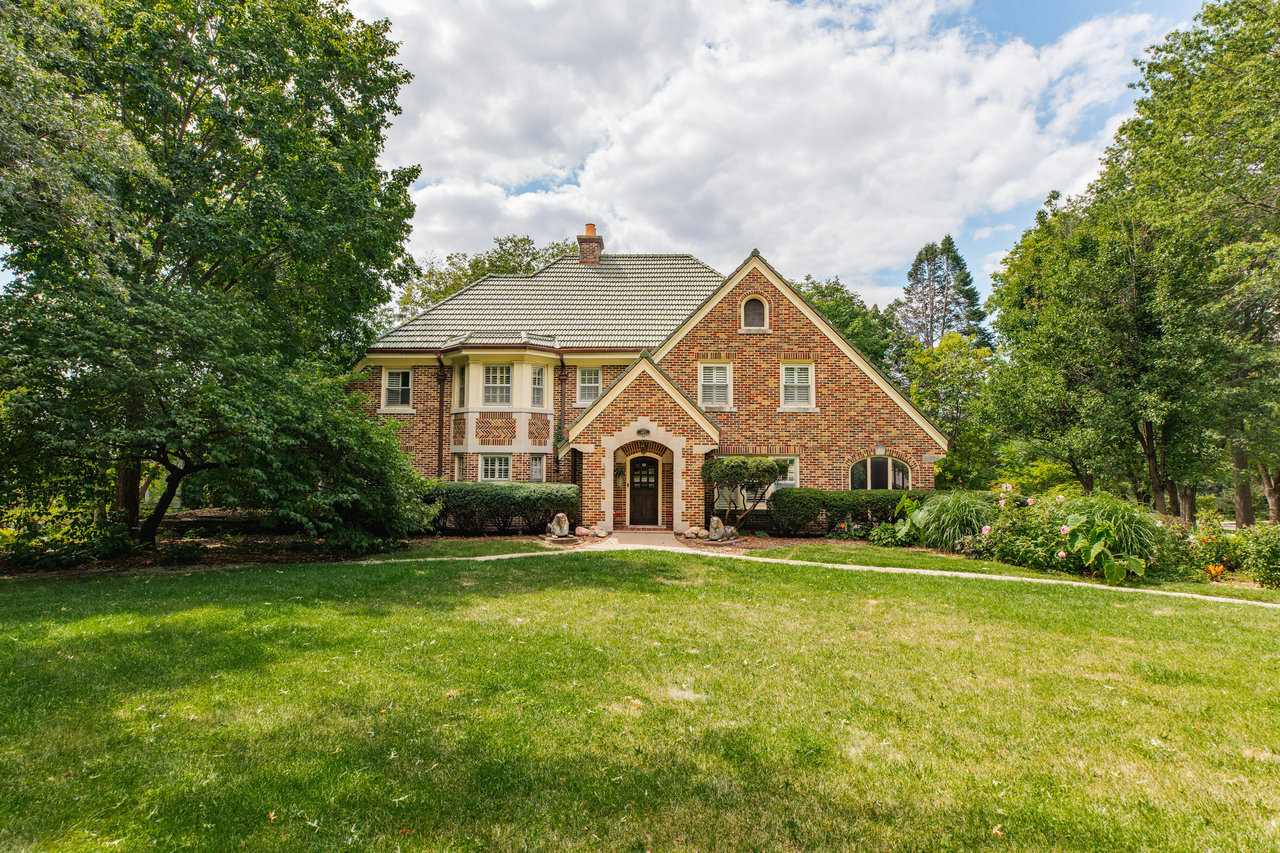
Oak Ridge NC real estate
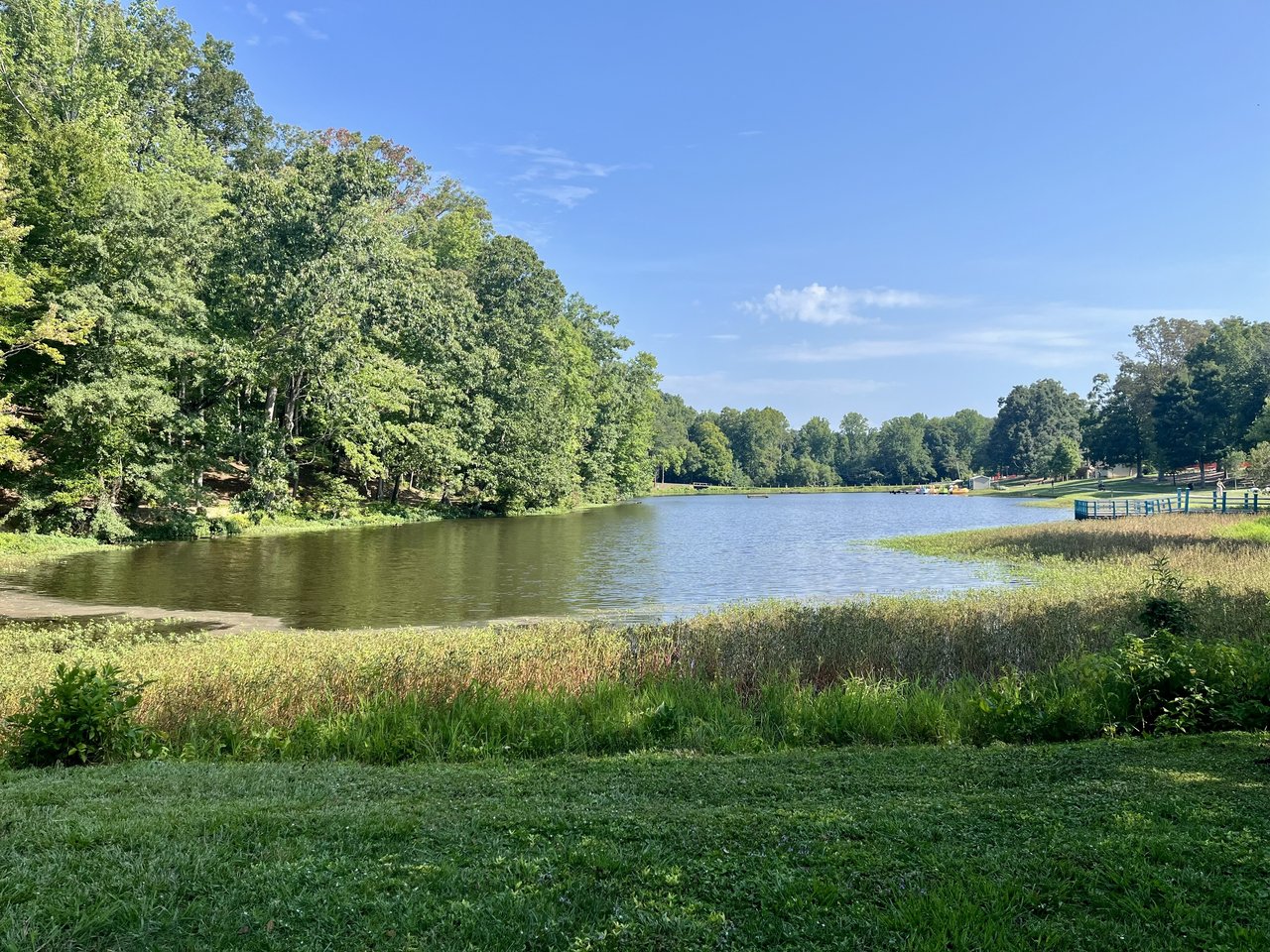
Things to do in Greensboro NC
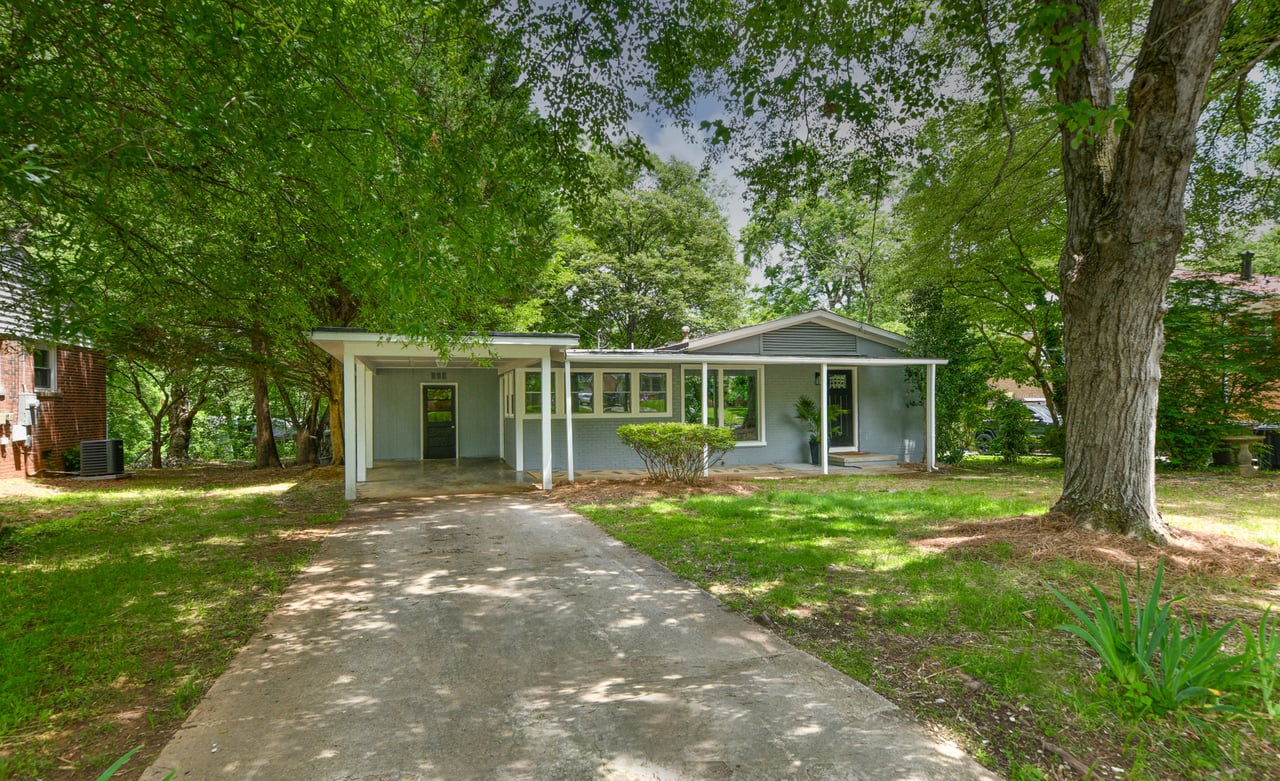
moving to Greensboro NC, Greensboro NC pros and cons, Greensboro property taxes, Greensboro home prices 2026
Whether you're buying your first home or making your next move, Melody provides trusted guidance, personalized service, and a passion for helping families achieve their homeownership goals.
MELODY B. DAVIS, MBA
700 Battleground Ave Greensboro, NC 27401