Summerfield NC Growth and Development: Why Town Lines Changed
October 1, 2026
October 1, 2026
As WFDD reported, Greensboro Mayor Nancy Vaughan said in mid-2025, "When you are looking at a town that has multi-acre lots, there's no way you're going to get ahead of the housing crisis." She was explaining why her city council had just voted to annex more than 70 acres that used to sit inside Summerfield. The land hadn't moved. The line around it had.
That line moving is the part of this story that matters if you're comparing Summerfield to other towns in the Piedmont Triad. The one-acre minimum lots, the septic tanks, the quiet roads that make Summerfield feel the way it feels are not guaranteed to stay exactly as they are for the next decade. This project illustrates how a change in jurisdiction can affect development proposals when zoning and infrastructure constraints are involved.
David Couch, CEO of High Point-based Blue Ridge Cos., has owned Summerfield Farms since 2003. For close to ten years he brought proposals to Summerfield's Town Council asking for higher-density zoning on his roughly 978 acres, including the town's first apartments. The council turned him down more than once. Residents who opposed the plan raised concerns about added traffic and school capacity, and argued it would erode the rural character that drew many of them to Summerfield in the first place.
Those objections weren't unreasonable. Summerfield's entire zoning framework is built around one-acre lots as the baseline, and Couch's early concepts called for something denser than the town had ever approved. But the council's repeated no didn't just reflect a philosophy about density. It also reflected a limit the town couldn't zone its way around.
Even if Summerfield's council had eventually said yes, Couch would have run into a second wall: water and sewer. Most of Summerfield runs on private wells and on-site septic systems, and septic capacity caps how many homes a given parcel can support no matter what the zoning map says.
This surfaced explicitly once the land left Summerfield's jurisdiction and Guilford County took over zoning duties in 2024. County planners considered whether to allow multifamily housing on Couch's parcels and declined, and planner Aaron Calloway told the county's planning board the reason directly: the property lacked water and sewer service, a requirement for any zoning district that would permit apartments. The zoning fight everyone had been watching for years turned out to be downstream of an infrastructure fight almost nobody was talking about.
Couch's own plans confirm it. As proposed, Christopher Village, the first phase of his project, would draw water and sewer from Greensboro rather than drill wells or design a septic field big enough for hundreds of homes.
Couch then pursued a change in jurisdiction, turning to North Carolina Senate President Pro Tem Phil Berger. Berger backed a bill in the General Assembly to de-annex Couch's land from Summerfield, removing it from the town's authority and placing it under Guilford County instead. Berger later said he'd concluded that Summerfield's zoning approach had been "very exclusionary" toward the kind of housing Guilford County needed. State Rep. Pricey Harrison, a Democrat representing Guilford County, argued against the move on the House floor, saying lawmakers reaching in to remove the center of Summerfield from the town would set a troubling precedent for how the legislature treats local zoning decisions elsewhere.
Harrison's side lost the vote. Here's roughly how the timeline played out:
A researcher at UNC's School of Government, Jim Joyce, noted that de-annexations like this aren't common. Only about twenty happened statewide during the 2021-2022 legislative session, two of them in Guilford County. Rare doesn't mean impossible, and it clearly doesn't mean it can't work.
The first phase sits in the southeastern corner of Couch's land, bounded by the Lake Higgins watershed, Carlson Dairy Road, and Hamburg Mill Road, next to the existing Carlson Ridge subdivision and not far from Shorty's convenience store on Pleasant Ridge Road. As designed, it's expected to include roughly 268 units, a mix of single-family houses, cottages, rowhouses, live-work units, and apartments, at a density of about 3.41 dwelling units per acre. That's a sharp contrast with the one-house-per-acre standard that has defined Summerfield's zoning and that critics used as their measuring stick throughout the debate. Couch has said pricing across the larger project could range from the $300,000s into the multi-million-dollar range, though a firm number for any single phase hasn't been set.
If you've been comparing Summerfield's price per acre to a town like Oak Ridge or Kernersville, it's worth understanding what that premium is actually built on. It reflects current zoning and current infrastructure, both of which just proved negotiable when a developer's plans collided with a town's septic-based limits and a legislator was willing to intervene. Nothing about this changes what's zoned inside Summerfield's remaining borders today. But it does mean the edge of Summerfield, specifically the stretch running from Summerfield Road toward Interstate 73, is now on a different track than the town around it, with municipal water and sewer, denser zoning, and a much longer construction runway than most single-lot purchases you'd evaluate.
For a buyer thinking in years rather than months, that matters for two practical reasons. First, traffic patterns near Lake Higgins and Pleasant Ridge Road are likely to shift as construction and then occupancy ramp up over the next several years. Second, the character comparison between Summerfield and its neighbors is not static. What "Summerfield" means as a place is being renegotiated in real time, acre by acre, permit by permit.
Does this change zoning anywhere else in Summerfield? No. Only the acreage tied to this specific de-annexation left the town's jurisdiction. The rest of Summerfield's zoning ordinance, including its one-acre lot standard, still applies everywhere else in town, and any future de-annexation would require its own separate act of the General Assembly.
Will Christopher Village homes run on well and septic like most of Summerfield? No. The project is designed around municipal water and sewer service from Greensboro, which is the whole reason the land needed a different jurisdiction to work under in the first place.
Could this happen again somewhere else in the Triad? It's not routine. Statewide, only about twenty de-annexations occurred during the 2021-2022 legislative session, with two in Guilford County. But the legal path now has a recent, well-documented precedent, and any developer facing a similar zoning and infrastructure standoff elsewhere in the region has a working example to point to.
If you're comparing Summerfield to other Piedmont Triad towns and want a second set of eyes on what's actually zoned, permitted, or planned near a property you're considering, before you sign anything, Melody B. Davis, MBA reads comprehensive plans and annexation filings for exactly this kind of due diligence. Let's Connect before you decide where to buy.
This article is general information, not legal, tax or financial advice. Consult a qualified professional about your situation.
Stay up to date on the latest real estate trends.
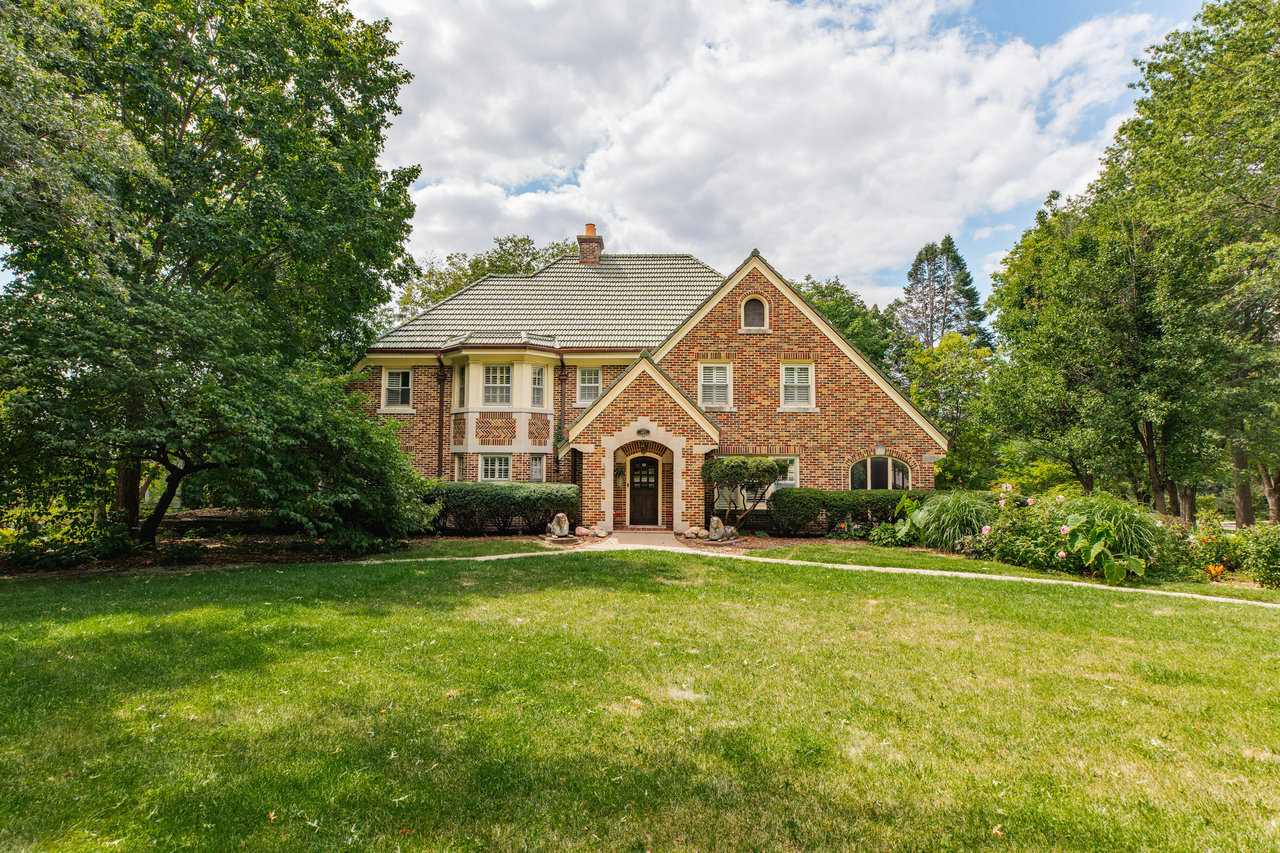
Oak Ridge NC real estate
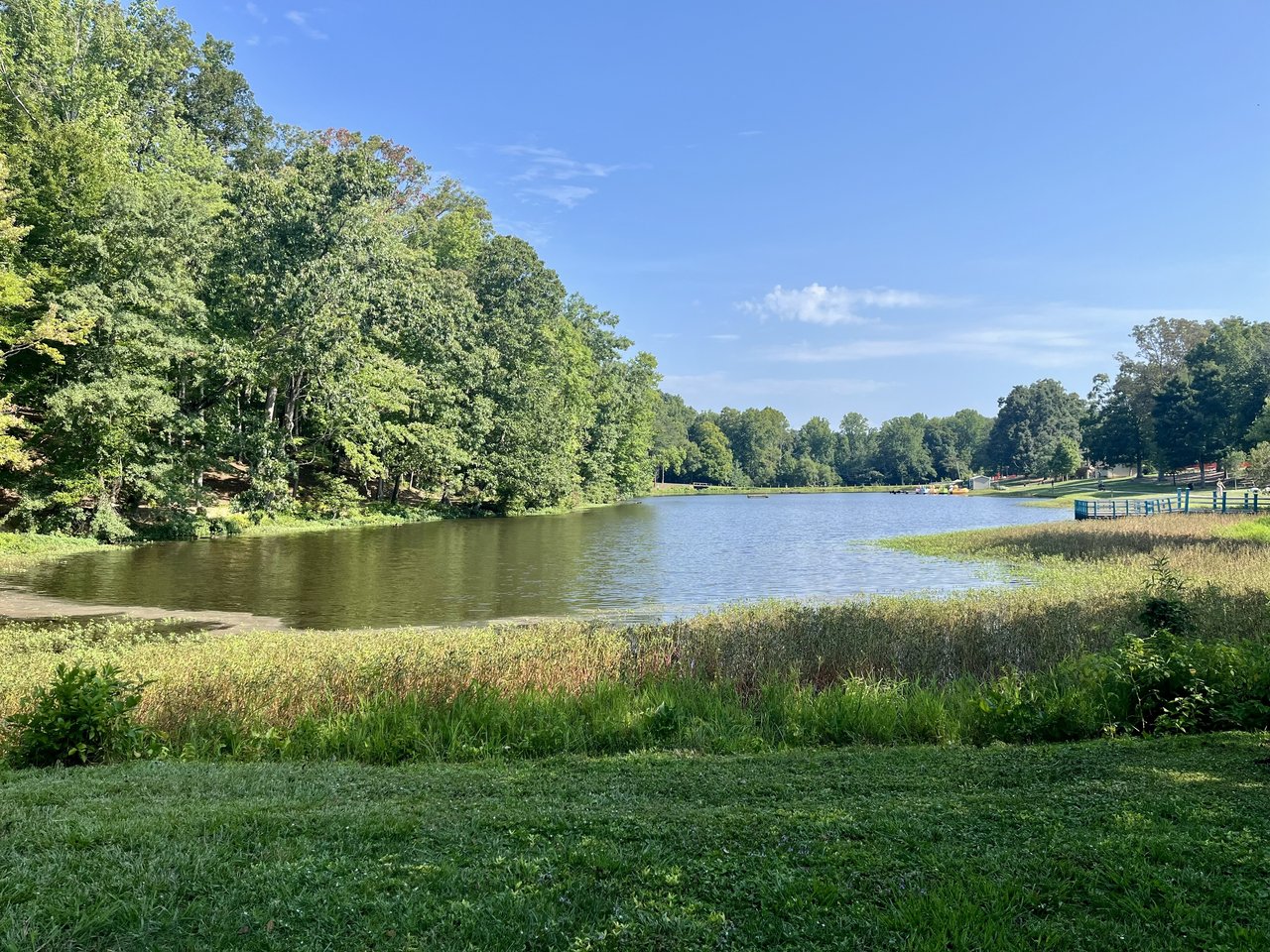
Things to do in Greensboro NC
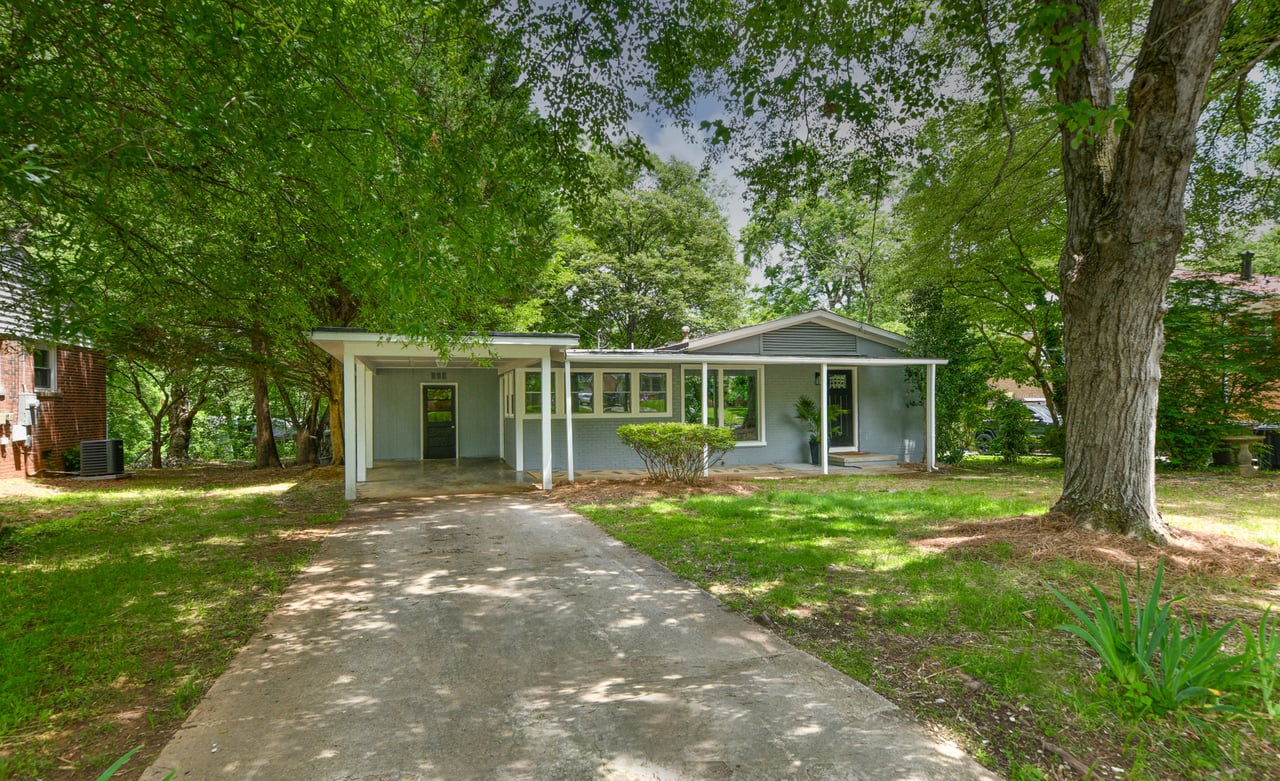
moving to Greensboro NC, Greensboro NC pros and cons, Greensboro property taxes, Greensboro home prices 2026
Whether you're buying your first home or making your next move, Melody provides trusted guidance, personalized service, and a passion for helping families achieve their homeownership goals.
MELODY B. DAVIS, MBA
700 Battleground Ave Greensboro, NC 27401